

Voto Gonçalves
Legend of semba
Born in Luanda
1949
More than 50 Years
in music
On stage
like a lion
Listen
- Listen on Spotify (opens in a new tab)
- Apple Music (opens in a new tab)
- YouTube (opens in a new tab)
- Deezer (opens in a new tab)
RISE Chart
Vote Voto onto the RISE Chart
Loading the chart…
How the RISE Chart works
- Every month is a new season. To enter the chart, an artist needs 25 votes in that season.
- The first 10 artists to reach 25 votes are on the chart for the whole season. Then the chart is full until next season.
- Each week the artists on the chart compete for No. 1. The chart closes Friday at midnight, Luanda time, and the week's winner joins the Hall of Fame.
- At the end of the season, the artist with the most votes across the season is Season Champion. Then everyone starts again from zero.
- Sign in with Google to vote. You have one vote a day, Monday to Friday, here or on the RISE Chart.
A word from LNKS Luanda Music Group
Some artists make records. A few become part of a country's story. Voto Gonçalves is one of them. It is an honour to welcome him to LNKS Luanda Music Group, and a privilege to work alongside a voice that has given so much to Angolan music and still has so much to give. We are proud to celebrate his legacy, and even prouder to help write its next chapter.
Ler em português
Há artistas que gravam discos. Alguns tornam-se parte da história de um país. Voto Gonçalves é um deles. É uma honra recebê-lo na LNKS Luanda Music Group e um privilégio trabalhar ao lado de uma voz que tanto deu à música angolana e que ainda tem tanto para dar. Temos orgulho em celebrar o seu legado, e ainda mais orgulho em ajudar a escrever o seu próximo capítulo.
LNKS Luanda Music Group
Biography
Few voices carry the memory of Angolan music like Voto Gonçalves. He was born António Jesus de Oliveira Gonçalves on 12 February 1949 in Musseque Pedrosa, in the Marçal neighbourhood of Luanda, and grew up between Bairro Operário, Miramar and Bairro do Cruzeiro. Music was in the house from the start. His father, a gifted musician and former seminarian, taught him to sing and filled his childhood with the sound of the piano and the violin.
By twelve he was already performing, as a singer and percussionist in a music and theatre group in Bairro do Cruzeiro. In the 1960s the musseques of Luanda were alive with musical gatherings, and the young people of his neighbourhood, among them Zé Andrade, Manuel Faria de Assis and Jerónimo Belo, lived for jazz, the guitar and Brazilian popular music. He played rhythm guitar and bass in two of the city's modern music groups, the Rolling Stars and the New Lover's. African American spirituals shaped his phrasing, and his husky, soulful voice reminded so many people of Otis Redding that they called him Tony Redding. The rock energy of Vum-Vum, the guitars of Duia and Zé Keno and the music of Franco, from what was then Zaire, all left their mark.
In 1969, during his colonial military service, he was posted to Muxima. There, as lead guitarist, he founded Maka Ku Muxima, a band of Angolan soldiers: Manuelito on rhythm guitar and bass, Gimba and Alfredo Fute Buza on vocals, Lombinho on bate-bate, Mila on percussion and Perinha on dikanza. It was the moment he turned from modern music to Angolan popular music, rooted in the sound of Luanda. The group left a 45 rpm single with "Xico Zé" and "Ngui Banza Tété", and played the best known recreation clubs of the time, among them Maxinde, União de São Paulo and Ginásio.
When his military service ended in 1973/74 he began working with Os Kiezos and their charismatic soloist Marito Arcanjo. At the CT1 studios of Rádio Nacional de Angola he recorded songs of his own that spoke of patriotism and of hope for a better Africa, "Ngola Iami", "Koleno África" and "Kilamba Neto", and with them he earned his place in Angola's political song. On tape he also recorded songs by the composer Xabanú, such as "Za Kumba", "Zeno Bhoba" and "Malamba", along with "Undenge Wami", "Ekuma", "Dilé Dilé" and "Pão com Chouriço". His time with Os Kiezos launched his solo career, with concerts across Luanda, and he went on to sing semba with the bands that accompanied a whole generation of singers, alongside names such as Carlos Burity and António Paulino.
When I step on stage, I am like a lion. I don't stand still. I can always give more, much more.
In the final years of Os Merengues, the group of guitarist Carlitos Vieira Dias, he recorded one of the most beautiful songs of his career, "Caminho Incerto", with lyrics by João de Barros and music by Voto himself. It was a huge success, and he played with Os Merengues in Angola and abroad. In 1993 he joined Semba Tropical as lead singer for three years and recorded his own song "O Bater do Coração" at CT1, with a music video made with the support of TPA and Orion. He also sang "Nga Biti Mwa Leba" on a compilation of Angolan music. At the end of 1996 he joined Banda Welwítchia, took part in the "Pomba Branca" project in 1999, and in April 2000 became a member of the TPA band, made up mostly of former members of Banda Welwítchia.
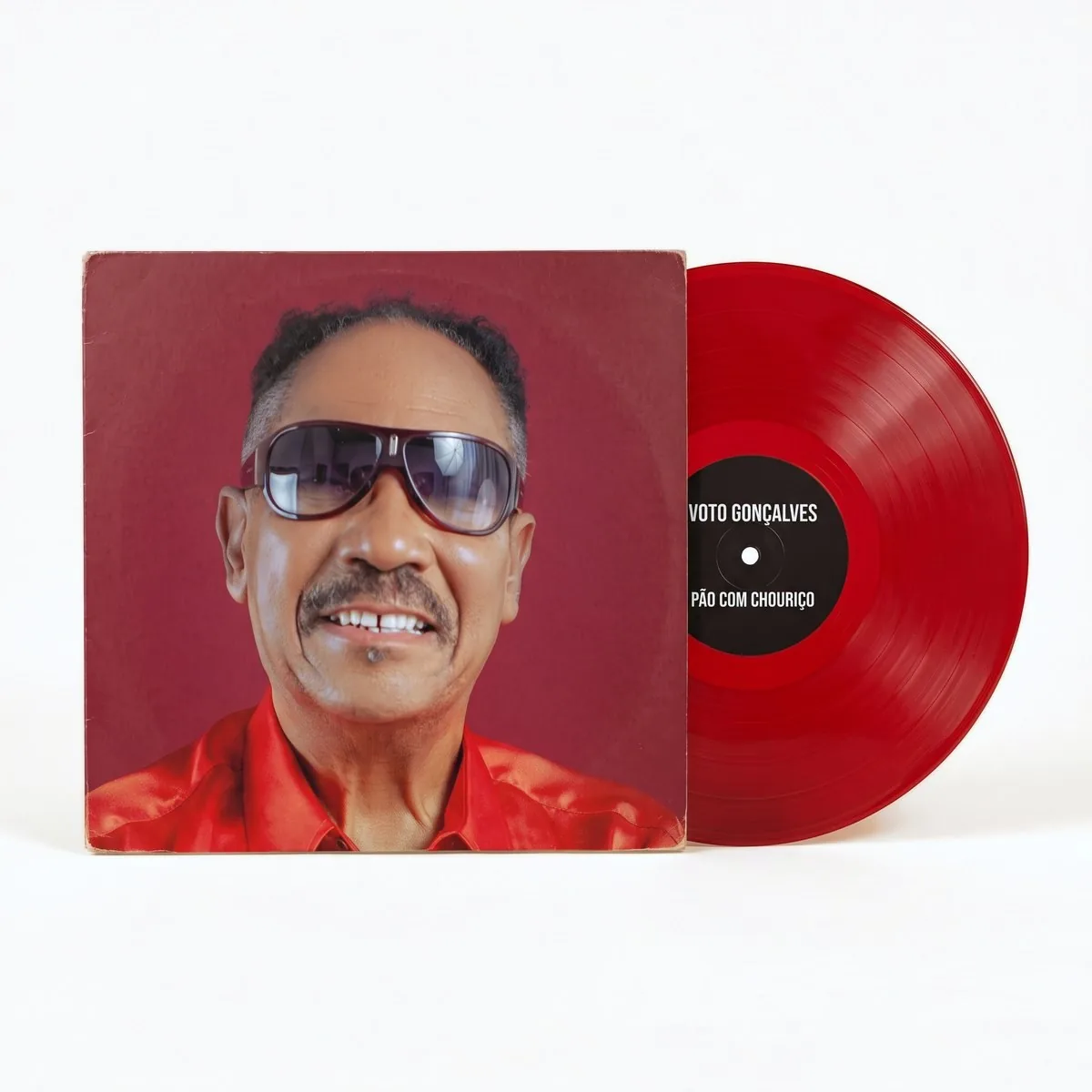
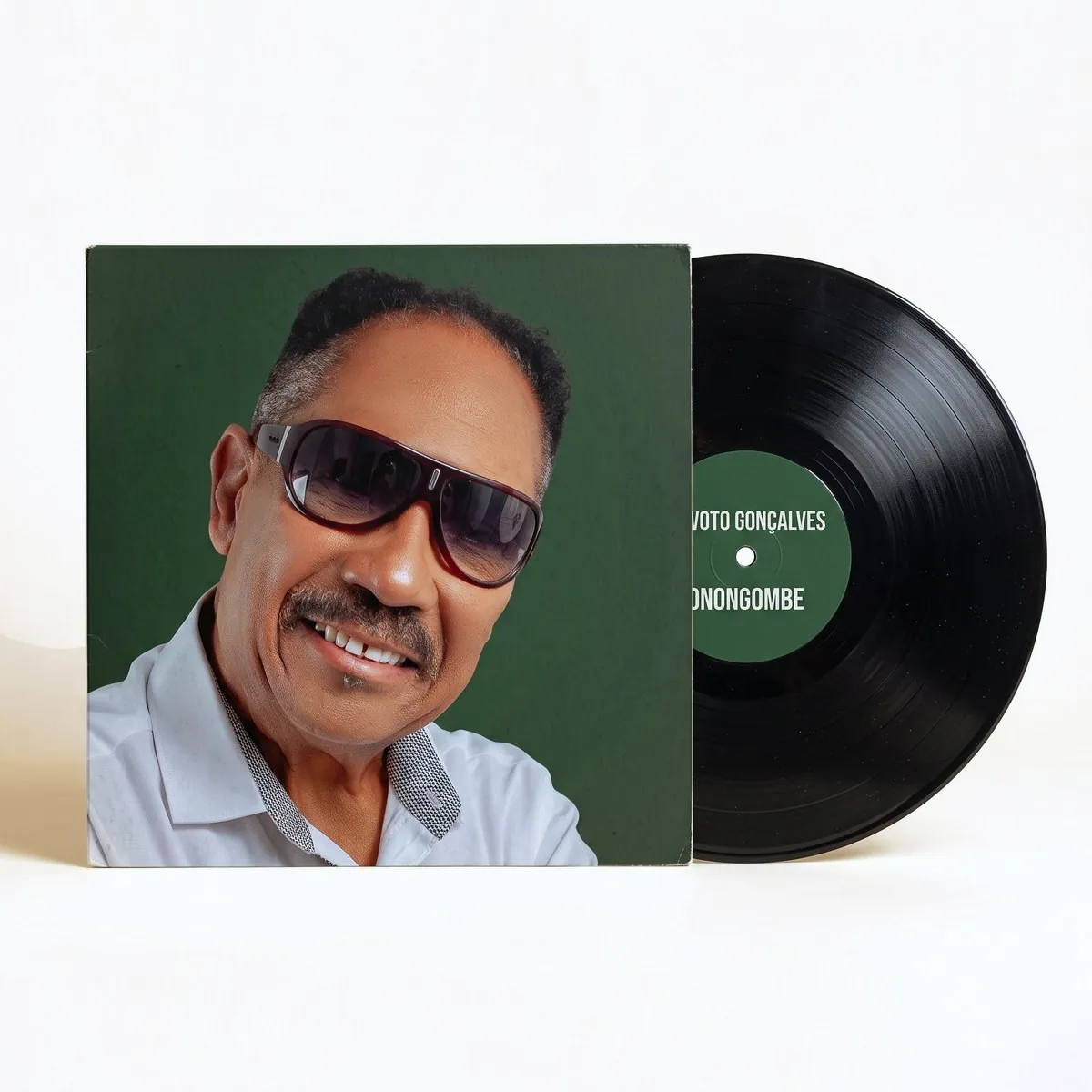
In February 2002 he released "Novos Tempos", eight songs produced and published by Brasoom. "Esperança do Amanhã", words and music by Voto, spent more than two months in the RTP África chart, and the album also carried "Onongombe", still one of his most played songs, "Zeno Bhoba" and "Mamã Sesa" by Xabanú, and "N'ga Manico" by José Alves "Kitas". In June 2010 L.S Produções released "Pão com Chouriço", whose title track became so well known that his daughter grew up being called "the daughter of Pão com Chouriço" by her classmates. That album also brought him together with Atanásio, Estevão Djipson, Edizila, Beto de Almeida and Bessa Texeira. In October 2018 he released "Ocipito", a four song EP produced by B.Max Produções.
His voice has travelled far beyond Angola: to Cape Verde (1979), Portugal (1982, 1987, 1998, 2002 and 2006), Mozambique (1982 and 1984), the 12th World Festival of Youth and Students in Moscow (1985), Brazil (1985 and 2005), Kinshasa (1986), Italy (2002), Germany for the 2006 World Cup and Portugal that same year, both at the invitation of Casa Blanca, and South Korea for Expo 2012. In 2016 the production company Arca Velha invited him to take part in "Encontro de Gerações".
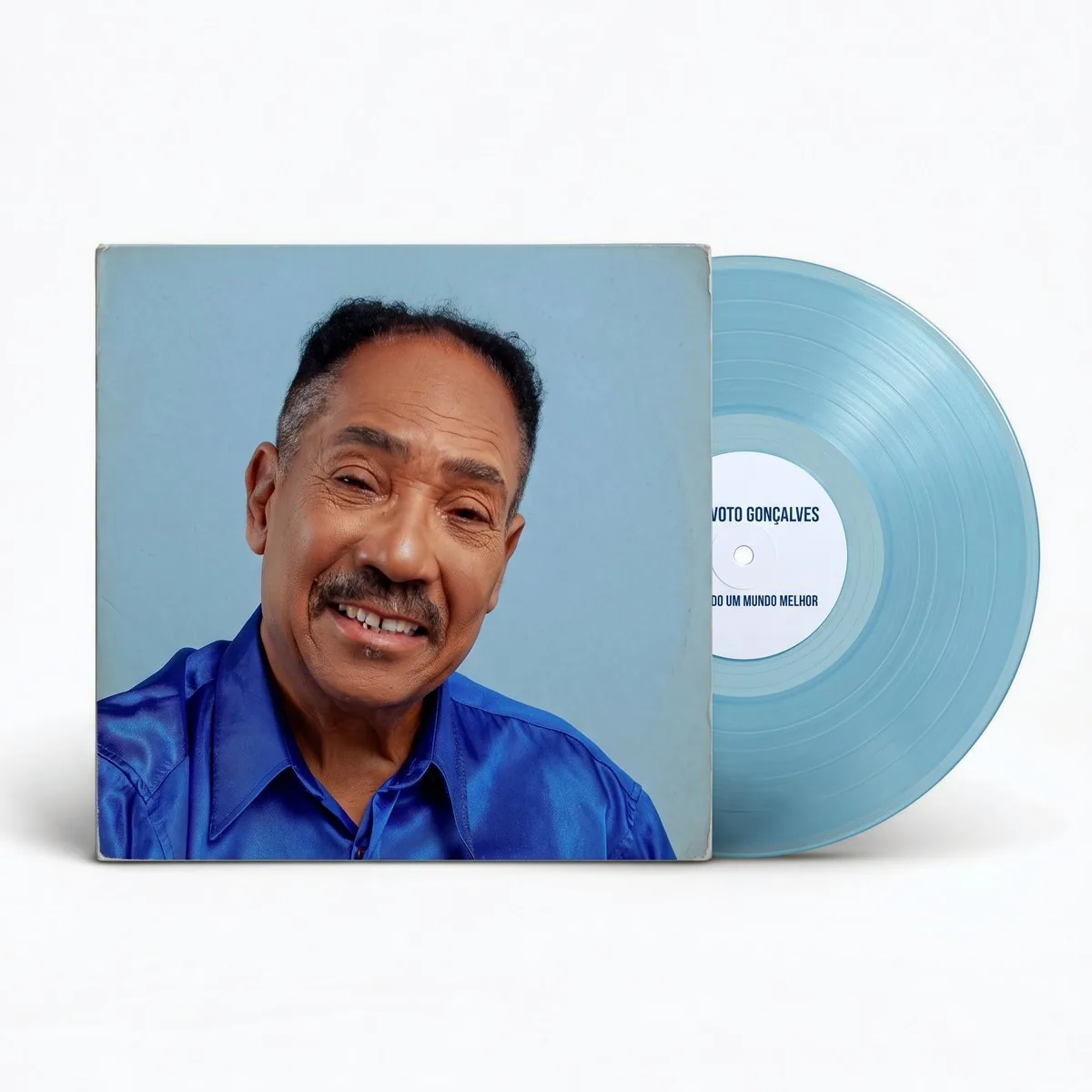
A new generation has kept seeking him out. He has recorded with Flay on "Morena Uassaluka" (2011), with Karina Santos on "Sangue Bom" (2013) and with DJ PauloRusso on "Sonhando um Mundo Melhor" (2021), and he has shared the stage with Banda Maravilha at events such as the Almoço dos Kotas and the MAIS Semba festival. In 2023 his life and work were celebrated on television in ZAP's "Histórias da Música Popular" and in TV Girassol's "Biografia", and in 2026 he took the stage at Luanda's historic Palácio de Ferro.
Married and a father of four, Voto Gonçalves still sings, more than fifty years after his first record, with the same conviction: that better days will come, and that music is the way to reach them.
Ler em português
Poucas vozes guardam a memória da música angolana como a de Voto Gonçalves. Nasceu António Jesus de Oliveira Gonçalves a 12 de fevereiro de 1949, no Musseque Pedrosa, no bairro do Marçal, em Luanda, e cresceu entre o Bairro Operário, o Miramar e o Bairro do Cruzeiro. A música esteve presente em casa desde o início. O pai, grande músico e antigo seminarista, habituou-o a cantar e encheu a sua infância com o som do piano e do violino.
Aos doze anos já se apresentava como vocalista e tocador de percussão num grupo de música e teatro do então Bairro do Cruzeiro. Nos anos 60 as tertúlias musicais animavam os musseques de Luanda, e os jovens do seu bairro, entre eles Zé Andrade, Manuel Faria de Assis e Jerónimo Belo, viviam para o jazz, o violão e a música popular brasileira. Tocou viola ritmo e baixo em dois conjuntos de música moderna da cidade, os Rolling Stars e os New Lover's. Os espirituais negros norte-americanos marcaram a sua forma de cantar, e a voz rouca e dolente lembrava tanto Otis Redding que lhe chamavam Tony Redding. A energia roqueira de Vum-Vum, as guitarras de Duia e Zé Keno e a música de Franco, do então Zaire, também deixaram a sua marca.
Em 1969, durante o serviço militar colonial, foi destacado para a Muxima. Aí fundou, como guitarrista solo, o conjunto Maka Ku Muxima, formado por militares angolanos: Manuelito na guitarra ritmo e baixo, Gimba e Alfredo Fute Buza na voz, Lombinho no bate-bate, Mila na percussão e Perinha na dikanza. Foi o momento em que trocou a música moderna pela música popular angolana, enraizada na estética musical luandense. O grupo deixou um single de 45 rotações com "Xico Zé" e "Ngui Banza Tété" e atuou nos espaços de recreação mais conhecidos da época, como o Maxinde, a União de São Paulo e o Ginásio.
Terminado o serviço militar, em 1973/74, passou a colaborar com Os Kiezos e o seu carismático solista Marito Arcanjo. Nos estúdios da CT1, da Rádio Nacional de Angola, gravou canções de intervenção da sua autoria, que evocavam o patriotismo e a esperança de uma África melhor, "Ngola Iami", "Koleno África" e "Kilamba Neto", com as quais entrou de forma prestigiante no universo da canção política. Gravou também em fita magnética temas do compositor Xabanú, como "Za Kumba", "Zeno Bhoba" e "Malamba", e ainda "Undenge Wami", "Ekuma", "Dilé Dilé" e "Pão com Chouriço". O encontro com Os Kiezos marcou o início da sua carreira a solo, com concertos sobretudo em Luanda, e passou a cantar semba com os conjuntos que acompanhavam toda uma geração de cantores, ao lado de nomes como Carlos Burity e António Paulino.
Quando entro em palco, sou como um leão. Não fico parado. Posso sempre dar mais, ainda muito mais.
Na última fase dos Merengues, o conjunto do guitarrista Carlitos Vieira Dias, gravou uma das canções mais bonitas da sua carreira, "Caminho Incerto", com letra de João de Barros e música do próprio Voto. Foi um enorme sucesso, e com os Merengues atuou dentro e fora do país. Em 1993 entrou para o Semba Tropical como vocalista, durante três anos, e gravou na CT1 o tema da sua autoria "O Bater do Coração", com um videoclipe produzido com o apoio da TPA e da ORION. Participou ainda numa coletânea de música angolana com o tema "Nga Biti Mwa Leba". No final de 1996 juntou-se à Banda Welwítchia, participou em 1999 no projeto "Pomba Branca" e, em abril de 2000, passou a integrar a banda da TPA, formada maioritariamente por antigos membros da Banda Welwítchia.
Em fevereiro de 2002 lançou "Novos Tempos", com oito faixas produzidas e editadas pela Brasoom. "Esperança do Amanhã", com letra e música de Voto, esteve mais de dois meses no top da RTP África, e o disco trazia também "Onongombe", ainda hoje uma das suas músicas mais ouvidas, "Zeno Bhoba" e "Mamã Sesa", de Xabanú, e "N'ga Manico", de José Alves "Kitas". Em junho de 2010 a L.S Produções editou "Pão com Chouriço", cujo tema título ficou tão conhecido que a filha cresceu a ser chamada pelos colegas de "a filha do Pão com Chouriço". Esse álbum juntou-o também a Atanásio, Estevão Djipson, Edizila, Beto de Almeida e Bessa Texeira. Em outubro de 2018 lançou "Ocipito", um EP com quatro faixas produzido pela B.Max Produções.
A sua voz viajou muito para além de Angola: Cabo Verde (1979), Portugal (1982, 1987, 1998, 2002 e 2006), Moçambique (1982 e 1984), o XII Festival Mundial da Juventude e dos Estudantes em Moscovo (1985), Brasil (1985 e 2005), Kinshasa (1986), Itália (2002), Alemanha no Mundial de 2006 e Portugal no mesmo ano, ambos a convite da Casa Blanca, e Coreia do Sul na Expo 2012. Em 2016, a convite da produtora Arca Velha, fez parte do projeto "Encontro de Gerações".
Uma nova geração continua a procurá-lo. Gravou com Flay em "Morena Uassaluka" (2011), com Karina Santos em "Sangue Bom" (2013) e com DJ PauloRusso em "Sonhando um Mundo Melhor" (2021), e partilhou o palco com a Banda Maravilha em eventos como o Almoço dos Kotas e o festival MAIS Semba. Em 2023, a sua vida e obra foram celebradas na televisão, no programa "Histórias da Música Popular", da ZAP, e no "Biografia", da TV Girassol, e em 2026 subiu ao palco do histórico Palácio de Ferro, em Luanda.
Casado e pai de quatro filhos, Voto Gonçalves continua a cantar, mais de cinquenta anos depois do seu primeiro disco, com a mesma convicção: a de que melhores dias virão, e de que a música é o caminho para lá chegar.
A life in music
- 1949
Born on 12 February in Musseque Pedrosa, Marçal, Luanda.
- 1961
At twelve, sings and plays percussion in a music and theatre group in Bairro do Cruzeiro.
- 1960s
Rhythm guitar and bass with the Rolling Stars and the New Lover's; nicknamed Tony Redding for his husky voice.
- 1969
Military service in Muxima; founds Maka Ku Muxima as lead guitarist and turns to Angolan popular music.
- 1973/74
Joins Os Kiezos with soloist Marito Arcanjo; the start of his solo career.
- 1974
Releases a 45 rpm single with two songs.
- 1978 to 1980
Records "Ngola Iami", "Koleno África" and "Kilamba Neto" at the CT1 studios of Rádio Nacional de Angola.
- 1979
First concerts abroad, in Cape Verde.
- 1985
Sings at the 12th World Festival of Youth and Students in Moscow.
- 1993
Lead singer of Semba Tropical for three years; records "O Bater do Coração", with a video supported by TPA and Orion.
- 1996
Joins Banda Welwítchia; takes part in the "Pomba Branca" project in 1999.
- 2000
Joins the TPA band in April.
- 2002
Album "Novos Tempos" (Brasoom); "Esperança do Amanhã" spends more than two months in the RTP África chart.
- 2006
Performs in Germany during the World Cup and in Portugal, at the invitation of Casa Blanca.
- 2010
Album "Pão com Chouriço" (L.S Produções).
- 2011
Featured on Flay, "Morena Uassaluka" (album "Sempre Firme").
- 2012
Performs in South Korea at Expo 2012.
- 2013
Featured on Karina Santos, "Sangue Bom" (album "Só Pra Mim").
- 2016
Part of Arca Velha's "Encontro de Gerações"; live with Banda Maravilha (Almoço dos Kotas; Verde Chá do Caxinde).
- 2018
EP "Ocipito", four songs produced by B.Max Produções.
- 2021
Featured on DJ PauloRusso, "Sonhando um Mundo Melhor".
- 2023
ZAP "Histórias da Música Popular" (with Clara Monteiro, published 8 Feb 2023); TV Girassol "Biografia" (aired 17 Jun 2023).
- 2026
Performs at Palácio de Ferro, Luanda (May).
- 2026
Joins LNKS Luanda Music Group.
Discography
Albums
Press play on any song to hear a 30 second preview, courtesy of Apple Music.
This preview cannot play inside this share link. It plays on the live website.
Featured on
-
Morena Uassaluka
Flay feat. Voto Gonçalves
Watch on YouTube (opens in a new tab) Apple Music (opens in a new tab)
-
Sangue Bom
-
Sonhando um Mundo Melhor
DJ PauloRusso feat. Voto Gonçalves
Watch on YouTube (opens in a new tab) Apple Music (opens in a new tab)
EPs
-
Ocipito
Four songs · Produced by B.Max Produções
Compilations
-
Semba Da Minha Terra
Includes "Onongombe"
All Vinyl
4 results
-
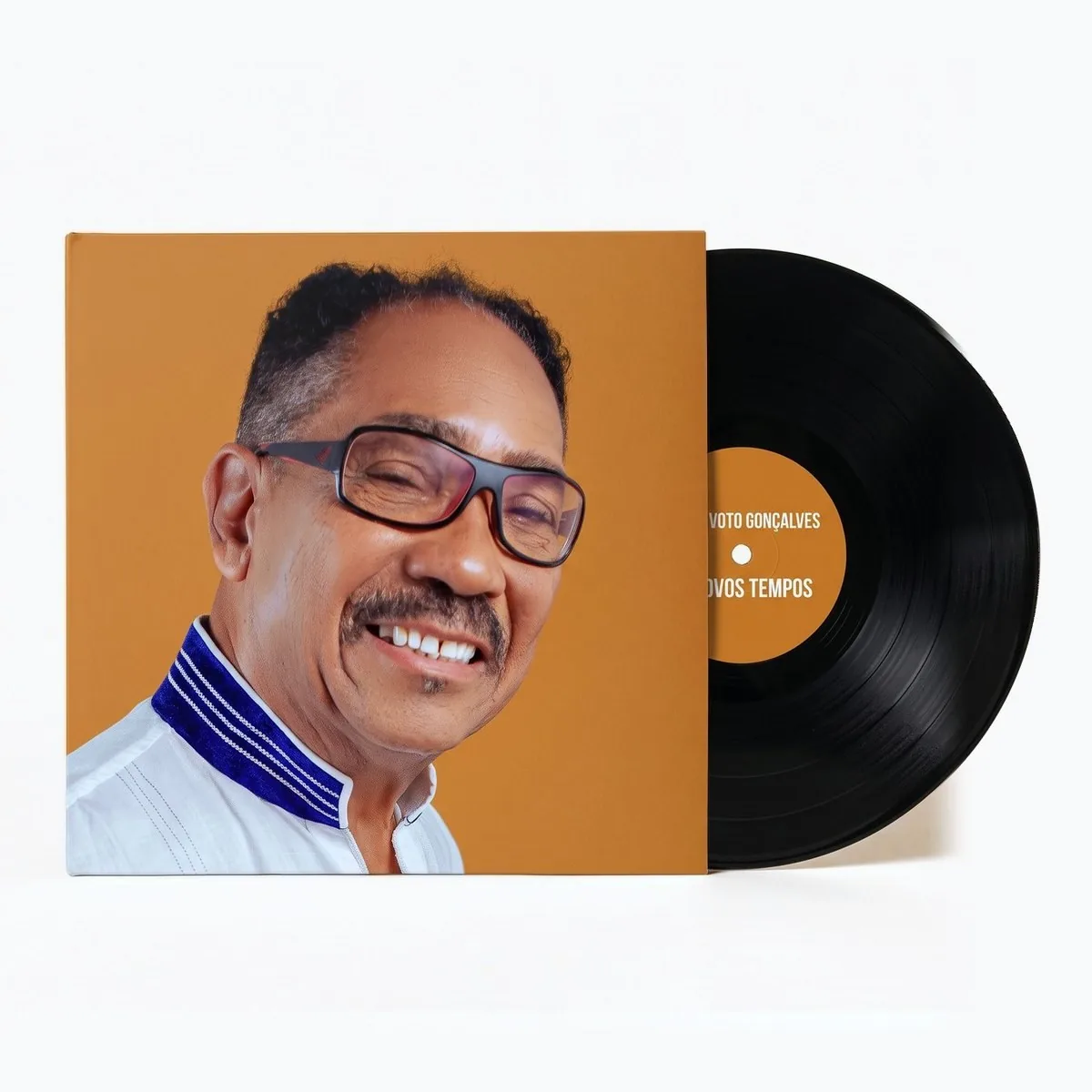
Novos Tempos
Voto Gonçalves
-
-
-
On screen and on stage
-
Biografia: a música e a trajectória de Voto Gonçalves
-
Histórias da Música Popular: Voto Gonçalves and Clara Monteiro
-
Live with Banda Maravilha, "Koleno África"
-
Esperança do Amanhã
Gallery
Photography: Rivaldo Sima
More artists
-

RISE Duda Marcolino
-
Emily Ananás
-

Kleiny Estêvão
-

Marcia Bliss
-
Núria Nadiana
-
Txoboy Banzelo